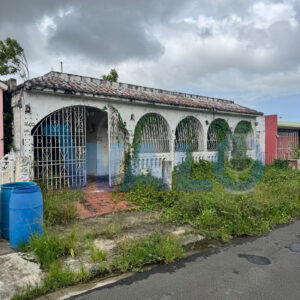
Las facilidades del antiguo hospital regional Dr. Víctor Rincón de Humacao serán la sede de un nuevo proyecto de vida asistida para personas de edad avanzada en la región este.
El plan de desarrollo de esta estructura fue presentado este miércoles por Javier López, planificador a cargo del proyecto, durante la Cumbre de Desarrollo Económico del Sureste en el Centro de Bellas Artes de Humacao.
Durante su ponencia, López detalló que se estima que la égida, cuyo nombre será “Legacy”, tenga una capacidad para 132 ancianos y cree unos 165 empleos.
Escuche el resto de los detalles sobre “Legacy”
How Casinosforusdt Explains USDT Adoption in Canadian Online Gambling
The integration of Tether (USDT) into Canadian online gambling has unfolded gradually but with increasing momentum since approximately 2019, when cryptocurrency payment options began appearing more frequently on platforms serving Canadian players. Unlike Bitcoin or Ethereum, which carry significant price volatility, USDT operates as a stablecoin pegged to the US dollar, making it functionally closer to traditional fiat currency while retaining the transactional advantages of blockchain-based assets. This distinction has proven particularly meaningful in the Canadian market, where players and operators alike have sought ways to move funds efficiently without exposing themselves to the kind of value swings that made early crypto gambling a speculative activity in itself. Understanding how USDT adoption has developed in Canada requires examining the regulatory environment, the technical infrastructure of stablecoin payments, and the analytical frameworks that specialized resources have applied to make sense of these changes for everyday users.
The Canadian Regulatory Landscape and Its Influence on Crypto Payment Adoption
Canada’s approach to online gambling regulation is notably fragmented compared to jurisdictions like the United Kingdom or Malta. The Criminal Code of Canada historically placed gambling regulation under provincial jurisdiction, which means that each province operates its own framework. British Columbia’s PlayNow, Ontario’s OLG, and Quebec’s Espacejeux represent provincially operated platforms, while the broader question of offshore and privately operated online casinos accepting Canadian players has occupied a legal grey area for decades. This ambiguity created the conditions under which cryptocurrency payments, including USDT, found a foothold.
Ontario’s move in April 2022 to open its iGaming market to private operators under the Alcohol and Gaming Commission of Ontario (AGCO) represented the most significant regulatory shift in recent Canadian gambling history. The iGaming Ontario framework introduced licensing requirements, responsible gambling obligations, and technical standards that operators must meet. However, the framework did not explicitly address cryptocurrency payment methods in its initial iteration, leaving operators and players to navigate those questions independently. As of 2023 and into 2024, AGCO guidance has remained cautious on crypto, neither formally endorsing nor prohibiting USDT transactions, which has allowed platforms operating under offshore licenses to continue serving Canadian players with stablecoin options while Ontario-licensed operators have generally defaulted to traditional payment processors.
The Financial Transactions and Reports Analysis Centre of Canada (FINTRAC) adds another layer of complexity. Under the Proceeds of Crime (Money Laundering) and Terrorist Financing Act, virtual currency exchanges and certain businesses dealing in digital assets are subject to reporting and registration requirements. Gambling platforms that process USDT deposits and withdrawals technically engage with virtual currency, raising questions about whether they fall under FINTRAC’s registration obligations. This regulatory uncertainty has not stopped adoption but has shaped which operators pursue USDT integration and how transparently they communicate payment options to Canadian users.
The practical outcome is a two-tier market: provincially licensed platforms that avoid cryptocurrency entirely, and offshore-licensed platforms that actively market USDT as a payment feature to Canadian players. The latter category has grown substantially, with dozens of platforms adding USDT support between 2020 and 2024, driven partly by player demand and partly by the operational advantages of stablecoin settlements, which reduce currency conversion costs and processing delays associated with credit card or bank transfer payments.
How USDT Functions Differently from Other Crypto in Gambling Contexts
To understand why USDT specifically has gained traction over Bitcoin or Litecoin in the gambling sector, it helps to examine the mechanics of stablecoin transactions in this context. Tether’s USDT is issued on multiple blockchain networks, including Ethereum (as an ERC-20 token), Tron (TRC-20), and Binance Smart Chain (BEP-20). Each network carries different transaction fee structures and confirmation times. TRC-20 USDT on the Tron network, for instance, typically processes transactions with minimal fees and confirmation times under a minute, which makes it particularly attractive for gambling deposits where speed matters to the user experience.
For Canadian players, the stablecoin peg to the US dollar introduces a currency consideration that Bitcoin does not. A player depositing 100 USDT knows they are depositing the equivalent of 100 USD, not a fluctuating amount that might be worth 85 USD or 120 USD by the time they attempt a withdrawal. This predictability changes the psychological relationship between the player and their bankroll. In traditional crypto gambling, players sometimes found themselves in situations where a winning session in Bitcoin terms translated to a loss in fiat terms due to price movements during their session. USDT eliminates this variable entirely.
Withdrawal processing is another area where USDT demonstrates measurable advantages. Traditional payment methods available to Canadian players, including Interac e-Transfer, credit cards, and wire transfers, carry processing times ranging from instant to several business days, with varying fee structures. USDT withdrawals on efficient networks can settle in minutes, with fees that are generally lower than those charged by payment processors. For high-volume players or those making frequent withdrawals, this efficiency compounds into meaningful cost savings over time.
Resources that track USDT-specific gambling platforms, such as https://www.casinosforusdt.com/, document the specific deposit and withdrawal terms that operators apply to stablecoin transactions, including minimum and maximum amounts, processing times by network, and any platform-specific fees layered on top of blockchain transaction costs. This kind of granular documentation is valuable because operators do not always present this information consistently, and the terms can vary significantly between platforms even when the underlying payment method is identical.
The question of custody and wallet management also distinguishes USDT gambling from fiat gambling in ways that affect Canadian users specifically. Players using USDT need a compatible wallet, whether a software wallet like Trust Wallet or MetaMask, or a hardware wallet for those prioritizing security. The learning curve associated with wallet setup, seed phrase management, and network selection has historically been a barrier to adoption among less technically experienced players. However, as cryptocurrency literacy has increased in Canada, particularly among younger demographics, this barrier has diminished. A 2023 survey by the Bank of Canada found that approximately 10% of Canadian adults reported owning cryptocurrency, up from 5% in 2018, suggesting that the potential user base for USDT gambling is expanding alongside general crypto adoption.
Casinosforusdt’s Analytical Approach to Evaluating USDT Gambling Platforms
Specialized resources that focus exclusively on USDT gambling occupy a distinct niche in the broader online casino review ecosystem. General casino review sites often treat cryptocurrency as one payment method among many, evaluating it alongside Visa, Mastercard, and PayPal without the depth of analysis that stablecoin-specific transactions warrant. Platforms focused specifically on USDT gambling, by contrast, can apply more granular evaluation criteria that reflect the actual experience of players using stablecoin payments.
Casinosforusdt approaches platform evaluation by examining factors that general review sites frequently overlook. One example is the distinction between platforms that accept USDT as a deposit method but convert it immediately to fiat for internal accounting purposes versus platforms that maintain USDT balances natively throughout the player’s session. The former approach means that a player’s account balance is denominated in fiat, with USDT used only as a payment rail. The latter means the player’s balance remains in USDT, which has implications for how withdrawals are processed and whether the player benefits from any blockchain-level transparency in the transaction record.
Another dimension of analysis involves the licensing jurisdiction of platforms serving Canadian players. Common licensing jurisdictions for offshore platforms include Curaçao, Malta, Gibraltar, and the Isle of Man. Each jurisdiction has different requirements around player fund segregation, dispute resolution mechanisms, and responsible gambling tools. Curaçao, which licenses a large proportion of crypto-friendly gambling platforms, has historically had less stringent oversight than Malta Gaming Authority (MGA) licensed platforms, though Curaçao began implementing reforms to its licensing framework in 2023 that are intended to raise standards. For Canadian players using USDT, the licensing jurisdiction matters because it determines what recourse exists if a dispute arises over a withdrawal or a game outcome.
Provably fair gaming is a feature that some USDT gambling platforms offer, particularly those built around blockchain infrastructure. Provably fair mechanisms allow players to independently verify the randomness of game outcomes using cryptographic hashing, which provides a level of transparency unavailable in traditional random number generator (RNG) systems. Not all USDT-accepting platforms offer provably fair games, and many operate standard RNG systems audited by third parties like eCOGRA, iTech Labs, or BMM Testlabs. Understanding which verification approach a platform uses is relevant to players who prioritize transparency, and this is an area where USDT-focused analysis can add value by clearly categorizing platforms according to their game verification methodology.
Bonus structures at USDT gambling platforms also warrant specialized analysis. Some platforms offer cryptocurrency-specific bonuses, including welcome bonuses denominated in USDT, reload bonuses for crypto deposits, or cashback programs that return a percentage of losses in USDT. The wagering requirements attached to these bonuses, the games eligible for wagering, and the withdrawal conditions all require careful examination. A bonus that appears generous in headline terms may carry 40x or 50x wagering requirements that make it practically difficult to convert into withdrawable funds. Casinosforusdt’s evaluation methodology includes breaking down these terms in a way that allows players to make informed comparisons rather than being influenced by headline figures.
Trends Shaping USDT Gambling in Canada Through 2025 and Beyond
Several developments in both the regulatory and technological landscape are likely to shape how USDT gambling evolves in Canada over the next several years. On the regulatory side, the ongoing development of Ontario’s iGaming framework represents the most immediate variable. If AGCO moves toward formally addressing cryptocurrency payments in its licensing standards, it could either legitimize USDT transactions within the regulated market or impose restrictions that push crypto-preferring players further toward offshore platforms. Industry observers have noted that Ontario’s framework has been iterative, with updated standards released periodically since the market opened in April 2022, suggesting that cryptocurrency payment standards could be addressed in future updates.
At the federal level, Canada’s approach to stablecoin regulation is being shaped partly by developments in the United States and European Union. The EU’s Markets in Crypto-Assets (MiCA) regulation, which came into force in 2023 with phased implementation through 2024 and 2025, establishes a comprehensive framework for stablecoin issuers operating in European markets, including reserve requirements and redemption rights. While MiCA does not apply directly to Canada, it sets a precedent that Canadian regulators may reference as they develop their own approach. The Office of the Superintendent of Financial Institutions (OSFI) has issued guidance on crypto asset exposure for federally regulated financial institutions, and further regulatory development in this area could affect how Canadian banks and payment processors interact with gambling platforms that use USDT.
Technologically, the development of layer-2 scaling solutions for Ethereum, including Arbitrum and Optimism, has reduced the transaction costs associated with ERC-20 USDT transfers. As these networks mature and gain wider wallet support, players who prefer Ethereum-based USDT may find that the cost and speed disadvantages relative to TRC-20 USDT diminish. This could shift network preferences among Canadian gambling users, particularly if major exchanges like Coinbase or Kraken, which have strong Canadian user bases, expand their support for layer-2 withdrawals.
The competitive landscape among platforms serving Canadian USDT gamblers is also intensifying. Between 2021 and 2024, the number of platforms explicitly marketing USDT payment options to Canadian players grew substantially, creating pressure on operators to differentiate through game selection, bonus competitiveness, and user experience rather than simply offering USDT as a novelty. This competitive dynamic benefits players by improving the overall quality of available options, but it also increases the importance of reliable comparative resources that can help players navigate a larger and more complex market.
Responsible gambling considerations are increasingly relevant to the USDT gambling discussion. The speed and pseudonymous nature of stablecoin transactions can reduce friction in ways that may amplify problematic gambling behaviors for vulnerable individuals. Responsible gambling tools, including deposit limits, session time limits, self-exclusion mechanisms, and access to support resources, should be evaluated as part of any comprehensive assessment of USDT gambling platforms. Canadian players have access to resources including the Problem Gambling Helpline and provincial support services regardless of whether they gamble on provincially licensed or offshore platforms, and awareness of these resources remains important in any discussion of the gambling landscape.
The trajectory of USDT adoption in Canadian online gambling reflects broader patterns in how digital payment infrastructure intersects with regulatory frameworks and consumer behavior. The stablecoin’s combination of price stability, transaction efficiency, and blockchain-based transparency addresses specific pain points that neither traditional payment methods nor volatile cryptocurrencies fully resolve for gambling applications. As analytical resources continue to document and evaluate how platforms implement USDT payment systems, and as Canadian regulatory frameworks gradually develop clearer positions on cryptocurrency in gambling contexts, the market is likely to mature in ways that offer players more informed choices and operators clearer compliance pathways. The gap between the offshore crypto-friendly market and the provincially regulated market may narrow over time, or it may persist as a structural feature of Canada’s decentralized gambling regulatory environment — either outcome will be shaped significantly by decisions made at both the provincial and federal levels over the next three to five years.
López, quien también dirige el proyecto para desarrollar la antigua comandancia de la Policía Estatal en Humacao, sostuvo que en el lugar ubicará una unidad de tratamiento para pacientes de Alzheimer y demencia llamado “Heritage”.
Este último abriría en 2017, tendría espacio para 40 pacientes y emplearía a 126 personas.
Oiga más sobre “Heritage”